Data and Technology Consultant: Helping Organisations Turn Information into Better Decisions
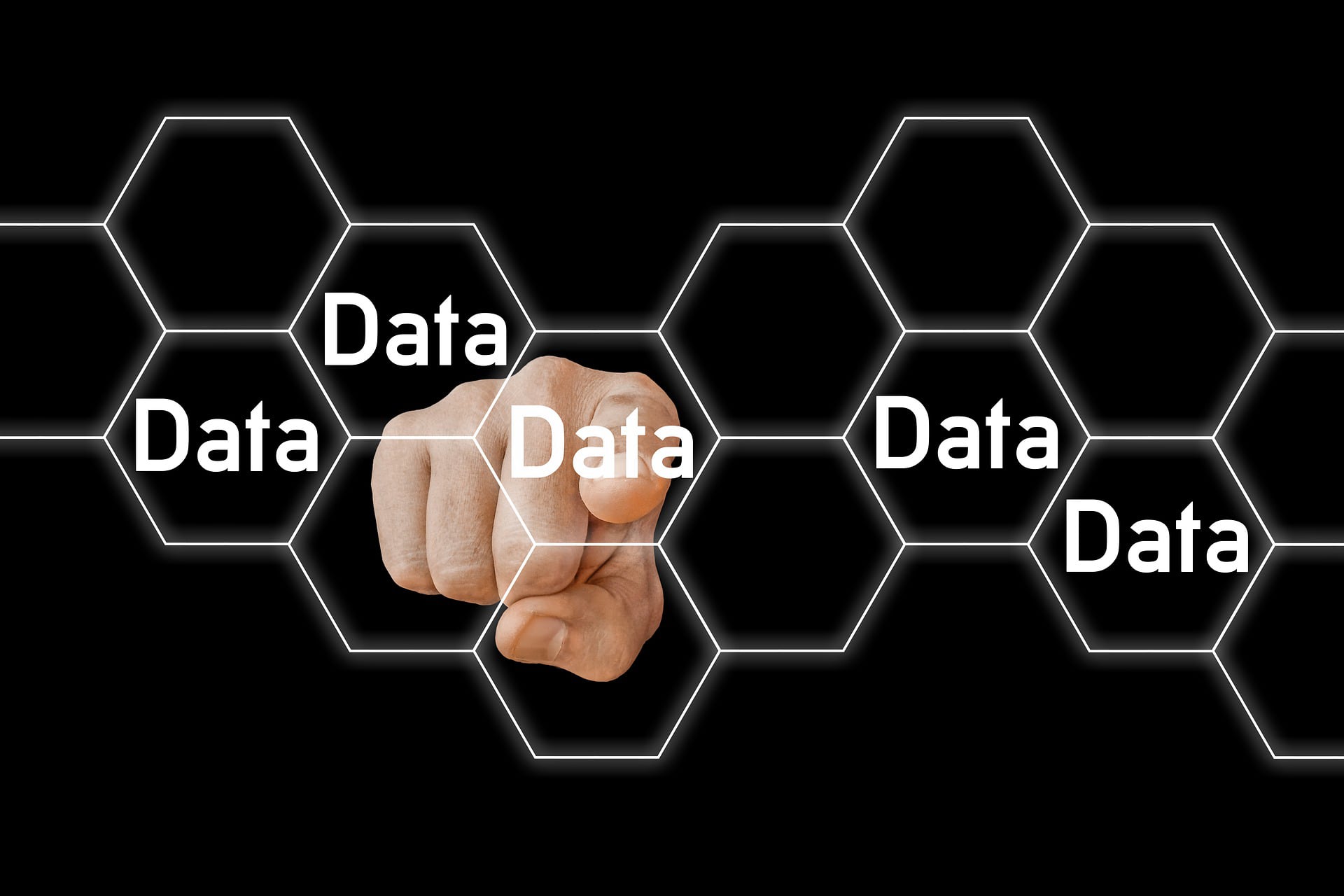
Modern organisations generate enormous quantities of information through financial systems, customer interactions, websites, operational platforms, supply chains and internal processes. The challenge is no longer simply collecting data. Businesses need to understand what information they possess, determine whether it can be trusted and establish how technology can turn it into something useful. This is where specialist consultancy can provide valuable support.
A data and technology consultant works with organisations to connect business objectives with data, systems and technology strategy. Rather than viewing technology as an isolated IT function, consultants examine how information moves throughout an organisation, where inefficiencies exist and how technology can improve decision-making, productivity and service delivery. The work can encompass data strategy, analytics, cloud infrastructure, system integration, automation, artificial intelligence and broader digital transformation.
Organisations often begin consulting projects because something is not working as effectively as it should. Reporting may require extensive manual work, different departments may hold conflicting versions of the same information or important systems may no longer communicate effectively. In other cases, the organisation may be planning significant growth or introducing new technology and wants to establish the correct foundations before making a substantial investment.
One of the first responsibilities of a consultant is therefore understanding the problem rather than immediately recommending technology. Introducing a new platform rarely solves an underlying process or data-quality problem on its own. Existing systems, workflows, responsibilities and business requirements need to be understood before an appropriate technology strategy can be developed.
From Data Strategy to Technology Transformation
Data quality is a particularly important consideration. Organisations frequently discover that information has been collected differently across departments or systems. Customer records may be duplicated, product information may use inconsistent formats and historic databases may contain incomplete information. These problems become increasingly significant when businesses attempt to introduce advanced analytics or artificial intelligence.
A structured data strategy establishes how information should be collected, stored, governed and used. It can define ownership responsibilities, quality standards, access controls and the technologies used to manage information. The objective is to create data that people across the organisation can use confidently.
Technology consulting extends beyond data itself. Businesses may need to replace legacy applications, consolidate multiple platforms, migrate infrastructure to cloud services or connect systems that were originally implemented independently. A consultant can assess the existing technology landscape and develop a roadmap that prioritises changes according to business value, cost, risk and technical dependencies.
This is particularly relevant when organisations have accumulated technology over many years. Different departments may have purchased their own applications, acquisitions may have introduced additional platforms and older systems may still perform important functions despite becoming difficult to maintain.
Effective global technology & consultancy services therefore require an understanding of both technical architecture and organisational change. A technically sophisticated solution can still fail if employees cannot use it effectively or if new processes have not been integrated into everyday operations.
Consultants may consequently work alongside executives, operational teams, software developers, data specialists and external suppliers. Translating between these different groups can be an important part of the role. Senior leaders need to understand the commercial implications of technology decisions, while technical teams require clearly defined business requirements.
Automation is another increasingly important area. Many organisations still rely on employees transferring information manually between spreadsheets, emails and business systems. Automating suitable processes can reduce repetitive administration and improve consistency, but automation should be applied selectively. Automating an inefficient process without first examining why it operates that way can simply make the same problem happen faster.
Artificial intelligence introduces similar considerations. AI can potentially support document processing, forecasting, customer service, anomaly detection and numerous analytical tasks. However, organisations need suitable data, governance and security arrangements before deploying these technologies responsibly. Consultants can help determine where AI provides genuine operational value rather than introducing it simply because the technology is fashionable.
Specialist Consulting in Financial Technology
Financial services present additional challenges because technology, data, security and regulation are closely interconnected. Banks, insurers, investment organisations, payment businesses and other financial institutions process large quantities of sensitive information while operating systems that may need extremely high levels of availability and resilience.
Financial technology consulting services can therefore cover areas including payments infrastructure, data architecture, regulatory reporting, system modernisation, cloud adoption, automation and digital customer services. Changes must often be introduced without disrupting existing operations or compromising security and compliance requirements.
Legacy technology is a significant consideration within financial services. Some organisations operate core systems developed many years ago that continue to process essential transactions reliably. Completely replacing these platforms can introduce substantial cost and risk, so modernisation may involve gradually introducing new interfaces, data platforms or services around existing technology.
Data also has considerable strategic value within financial organisations. Accurate information can support risk management, fraud detection, customer analysis, forecasting and regulatory reporting. Poor data governance, by contrast, can create operational and compliance problems.
Cybersecurity must be considered throughout technology transformation rather than added after systems have been designed. Access management, encryption, monitoring, resilience and recovery arrangements can all form part of the technology architecture. The appropriate controls depend on the organisation, information involved and regulatory environment.
The same principle applies to businesses outside financial services. As organisations become more dependent on digital platforms, technology resilience increasingly becomes a business continuity issue. A system outage can affect sales, manufacturing, customer communication or entire supply chains.
A consultant may therefore examine not only how technology performs under normal circumstances but also what happens when something fails. Backup arrangements, disaster recovery, system redundancy and supplier dependencies can all influence organisational resilience.
Measurement is another important element of successful consulting. Technology programmes should have clearly defined objectives so organisations can determine whether investment has delivered the expected benefits. These measures might include reduced processing time, improved data accuracy, lower operating costs, increased system availability or better customer outcomes.
The role of consultants is also changing as technology becomes embedded across almost every business function. Data and digital systems are no longer exclusively technical subjects managed by IT departments. Finance, marketing, operations, HR, customer service and executive leadership increasingly depend on them.
As a result, effective consulting requires a combination of technical understanding and commercial awareness. Consultants need to understand what technology can achieve while recognising budget constraints, organisational priorities and the practical realities of implementing change.
There is rarely a single correct technology solution for every organisation. A rapidly growing company may prioritise scalability and automation, while an established enterprise may focus on simplifying legacy architecture. A financial institution may place particular emphasis on security and governance, whereas a manufacturer might prioritise operational data and system integration.
The most useful consultancy work therefore begins with the organisation rather than the technology. Understanding business objectives, existing capabilities and genuine operational problems makes it possible to develop a technology strategy that supports measurable outcomes rather than simply introducing more systems.
Ultimately, a data and technology consultant helps organisations understand how information, systems and business processes can work together more effectively. Whether the requirement involves data strategy, digital transformation, financial technology consulting services or broader global technology & consultancy services, successful consulting focuses on practical business outcomes. By combining technical expertise with structured analysis and effective governance, organisations can make better technology investments and build stronger foundations for future change.