Cladding Installation Advice
Correct cladding installation is just as important as the quality of the materials being used. Even the best hygienic wall cladding panels will not perform as intended if they are poorly installed. Proper planning, preparation, and attention to detail are essential to achieving a durable, hygienic, and professional finish, particularly in commercial and regulated environments.
The first stage of any cladding installation is surface preparation. Walls must be structurally sound, clean, dry, and free from loose materials. While PVC cladding can often be installed over existing tiles or imperfect surfaces, any movement, damp issues, or contamination must be addressed beforehand. Skipping this step can lead to adhesion problems and long-term failure.
Accurate measuring and layout planning should follow. Panels should be dry-fitted where possible to confirm alignment, joint placement, and trim positions. This helps avoid awkward cuts, uneven joints, or wasted materials. Planning is especially important around doors, corners, service penetrations, and floor junctions.
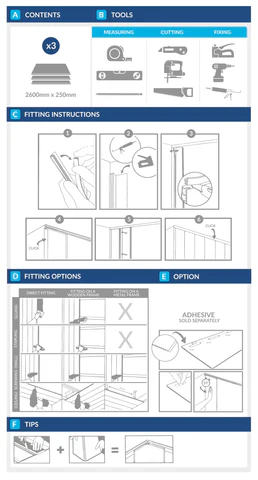
Choosing the correct fixing method is another key consideration. Most PVC wall cladding systems are installed using cladding-specific adhesives, which allow panels to bond securely without mechanical fixings. Adhesive beads or full coverage methods should be applied according to manufacturer guidance to ensure even support and prevent hollow spots behind panels.
Trims and profiles should be installed as part of the system, not as an afterthought. Internal corners, external corners, end trims, and skirting boards protect panel edges and help create a sealed, hygienic finish. Installing trims as panels go up ensures consistent alignment and reduces the risk of gaps.
Joint sealing is critical. Depending on the environment, joints may be sealed using hygienic silicone or heat-welded using PVC welding rods. Silicone sealing is suitable for many commercial kitchens and washrooms, while welded joints are often specified in laboratories and healthcare environments where the highest hygiene standards are required.
Ceilings should not be overlooked. Where possible, wall cladding should integrate with PVC ceiling panels to create a continuous hygienic envelope. Leaving incompatible ceiling finishes can undermine the overall hygiene performance of the space.
During installation, cleanliness matters. Excess adhesive or sealant should be cleaned away immediately before curing. Finished surfaces should be wiped down to remove dust and fingerprints, ensuring the space is inspection-ready from day one.
Post-installation checks are equally important. All joints should be inspected for continuity, trims checked for secure fixing, and surfaces assessed for damage. Any issues are far easier to correct immediately than after the space is in use.
At Cladding4Less, we always recommend following manufacturer guidance and using compatible system components. Panels, trims, adhesives, and sealants are designed to work together, and mixing incompatible products can compromise performance.
Good cladding installation advice ultimately comes down to preparation, patience, and precision. When installed correctly, hygienic wall cladding delivers long-term durability, easy maintenance, and reliable compliance — making it a smart investment for any commercial or hygienic environment.